Tanzania is Africa at its most iconic – the Serengeti plains, the spice island of Zanzibar and mighty Kilimanjaro
Tanzania Tours
Our Tanzania tours burst with things to do and see! This is a country that boasts Kilimanjaro, the Serengeti, the Ngorongoro Crater, and Zanzibar, to say nothing of the Mikumi National Park, Usambara Mountains, and Mount Meru.
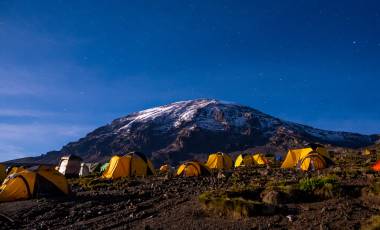
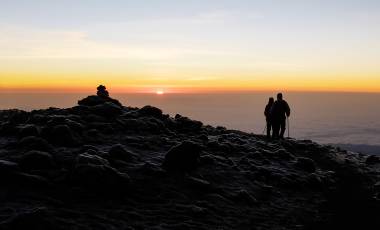
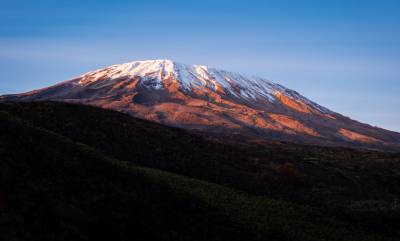
It’s a country renowned for its wildlife and beauty. And for many people, Tanzania is the ultimate African safari destination. The Serengeti is home to the Great Migration and to be there in the early months of the year is an experience you’ll never forget. Kilimanjaro is the highest mountain in Africa and the highest freestanding mountain in the world. To stand astride Uhuru Peak watching the dawn is a remarkable achievement for any mountain climber. The climb is tough but not technical and we use the Lemosho and Rongai routes, the least trekked trails on the mountain. What’s more, we’ll donate £25 to the Mountain Lioness Project, which supports the training of female guides on the mountain, for each person who climbs Kili with us.
As a contrast to the exciting game areas and the mountain, Zanzibar is a beautiful jewel in the Indian Ocean. With a fascinating spice and trading legacy, crumbling Stone Town has streets full of character. The beaches on the north and east coasts are stunning. Whether it’s diving, snorkelling, fishing, swimming with dolphins or pure relaxation, Zanzibar has few equals, if any.
Why not try our Private Group tours in Tanzania?
Are you looking to book a holiday with a group of your friends, family or your other half? With our private group adventures, you can now experience the Tanzania tour with the people who matter the most to you. Enjoy the freedom to travel with your own private group. You’ll even get the flexibility to choose your departure date and add on days at the end of the trip should you wish to extend your stay. So, if you’d like to celebrate your birthday with friends, a wedding anniversary or simply book a holiday to Tanzania with the ones you love, just let us know your group size and dates and we’ll do the rest.
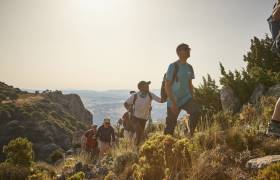
Kilimanjaro, Africa’s highest mountain, rises above Tanzania’s plains to 5,895m. The non-technical trek crosses changing climate zones before reaching Uhuru Peak, with Rongai and Lemosho routes offering a memorable challenge and far-reaching views.
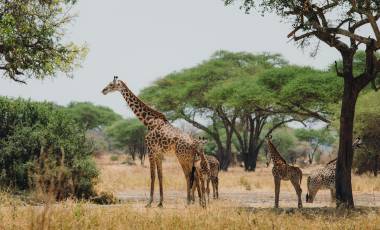
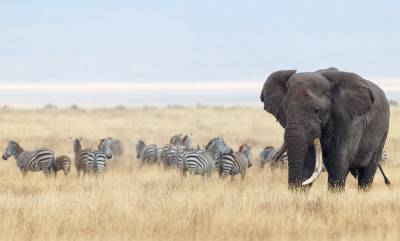
Explore the Serengeti’s vast plains, home to wildebeest, zebra, gazelles, lions, cheetahs and leopards. This iconic Tanzanian safari landscape is also the stage for the Great Migration, one of Africa’s most remarkable wildlife spectacles.
Gaze across the Ngorongoro Crater
Ngorongoro Crater is a vast volcanic caldera whose 600m-high walls shelter an exceptional concentration of wildlife. Around 12 miles wide, it is also an important palaeontological site, with discoveries that helped illuminate early human history.
Zanzibar
Zanzibar pairs Indian Ocean beaches with the spice-scented streets and markets of Stone Town. Snorkel in clear seas, discover the island’s trading heritage and sample local food – a relaxed contrast to Tanzania’s mountains and safari landscapes.
If you want to see a lot of animals and don’t mind camping and a lot of travel on often bumpy roads, this is the trip for you. We saw all of the Big 5 and the Ugly 5 in the first two and a half days.
From the vast plains of the Serengeti and the acacia-studded savannahs of the Masai Mara to the wildlife-rich Ngorongoro Crater, the shores of Lake Victoria, the fever-tree forests of Lake Naivasha and the spice lands of Zanzibar, this is a REAL adventure encompassing all the iconic sites of East Africa.
As my first ever safari, this trip was amazing. The wildlife viewing was way beyond what I could have imagined as was the warmth of welcome from all the people I encountered.
Tanzania has a tropical climate, though you should be aware that temperatures can be variable depending on the region you visit. Coastal temperatures and islands such as Zanzibar tend to have an average range of 27°C-29°C year-round. Further inland, the temperature varies between 20°C and 30°C.
There are two monsoon seasons in Tanzania. The “long rains” that last from March-May and the “short rains” come in November-December. The short rains tend to be unpredictable with their timing, and in Northern Tanzania they can even start in October. These rains are intermittent and shouldn’t interfere too much with your plans. The long rains are heavier and bring about the wettest time of year for Tanzania. At this time, it rains almost every day in most places. During the long rains, the climate can feel quite humid.
If you’re climbing Kilimanjaro with us, you can check the weather forecast for different altitudes to get an idea of what to expect. As with any other mountain, temperatures drop the higher you go, and it’s common to find snow at the top, especially between November-March.
What is the best time of year to tour Tanzania?
To travel at the warmest time of the year, you’d be looking at a Tanzania holiday between December-March. This is perfect for sun worshippers who want to get away from the British winter. But if you prefer to stay cool, you may want to travel in June or July, when the temperatures are at their lowest (low/mid 20s).
If you’re climbing Kilimanjaro, take into consideration the timing of the rainy seasons (March-May and November-December), as this can make the tracks muddy and provides fewer clear skies for your photographs. The dry season months that coincide with European and North American summertime are the most popular months to climb the mountain, though January and February also offer clear, sunny skies.
Zanzibar is also subject to the two rainy seasons, with the long rainy season being the main one that might affect your experience. Temperatures are very warm there all year-round though.
What to wear in Tanzania?
Tanzania is culturally conservative, so keep your knees and shoulders covered when in public, regardless of your gender. Loose-fitting clothes in a fabric that won’t overheat you, such as linen, silk, and cotton, will be your friends.
The Tanzanian people are generally accepting of female tourists who wear trousers if they’re baggy and don’t hug the figure too much.
If you visit Zanzibar, chances are, you may want to spend time on the beach. It’s a particularly conservative, Islamic part of Tanzania and you’ll need to be careful not to give offence with your clothing choices during Ramadan. While you can usually wear your standard beachwear outfit of choice to swim in (though the more it covers, the less likely you are to encounter difficulties), you’ll need to cover up as soon as you hit the streets and shops again. Even on the beach itself, women are advised to wear a sarong or kaftan.
What animals live in Tanzania?
If you’re a nature-lover, you’re sure to have the time of your life in Tanzania. The country hosts over one thousand bird species and nine Endemic Bird Areas (areas where birds that can only be found in Tanzania live). Cheetah, elephants, and chimpanzee all live in Tanzania too. If you take a Tanzania trip with us that includes the Ngorongoro Crater, the world’s largest caldera, you’ll have the opportunity to see dense populations of zebra, wildebeest, and even the endangered black rhino.
If you walk the Rongai Route up Mount Kilimanjaro with us but you’d like to spend some extra time afterwards exploring Tanzania’s wildlife, you can even book a safari extension that will take you to the Ngorongoro Crater, Tarangire National Park, and Lake Manyara National Park.